01 · AI SEO
Improve the pages you already have
AI audits existing pages for structure, search intent, semantic relevance, content gaps, on-page signals, and internal linking opportunities, then applies focused improvements.
For AI & SaaS Companies
Turn first-party data, product usage, and user-generated AI outputs into citable pages that improve visibility in ChatGPT, Google AI, Bing, Perplexity, and traditional search.
Generative Engine Optimization is the practice of creating and structuring original, evidence-based webpages so generative engines can discover, understand, quote, and reference a company. CapGo AI connects GEO with technical SEO, programmatic publishing, and product data activation to build durable visibility across both AI assistants and conventional search.
The goal is not merely to publish more text. It is to give answer engines clear, useful evidence about what your product does and which problems it solves.
CapGo combines managed services with productized tooling, helping lean AI and SaaS teams move from research to publishing without separating strategy from execution.
AI audits existing pages for structure, search intent, semantic relevance, content gaps, on-page signals, and internal linking opportunities, then applies focused improvements.
CapGo publishes first-party, evidence-based content that explains your product, answers buyer questions, and gives generative engines useful material to reference.
Define a page template once and apply it to structured product records, use cases, comparisons, collections, and landing-page opportunities across hundreds or thousands of relevant records.
Selected AI images, videos, reviews, creations, analyses, workflows, and other user-generated outputs become structured SEO and GEO pages with context, related examples, and product pathways.
The strongest GEO opportunities often begin with what users already create, compare, analyze, or publish inside a product.
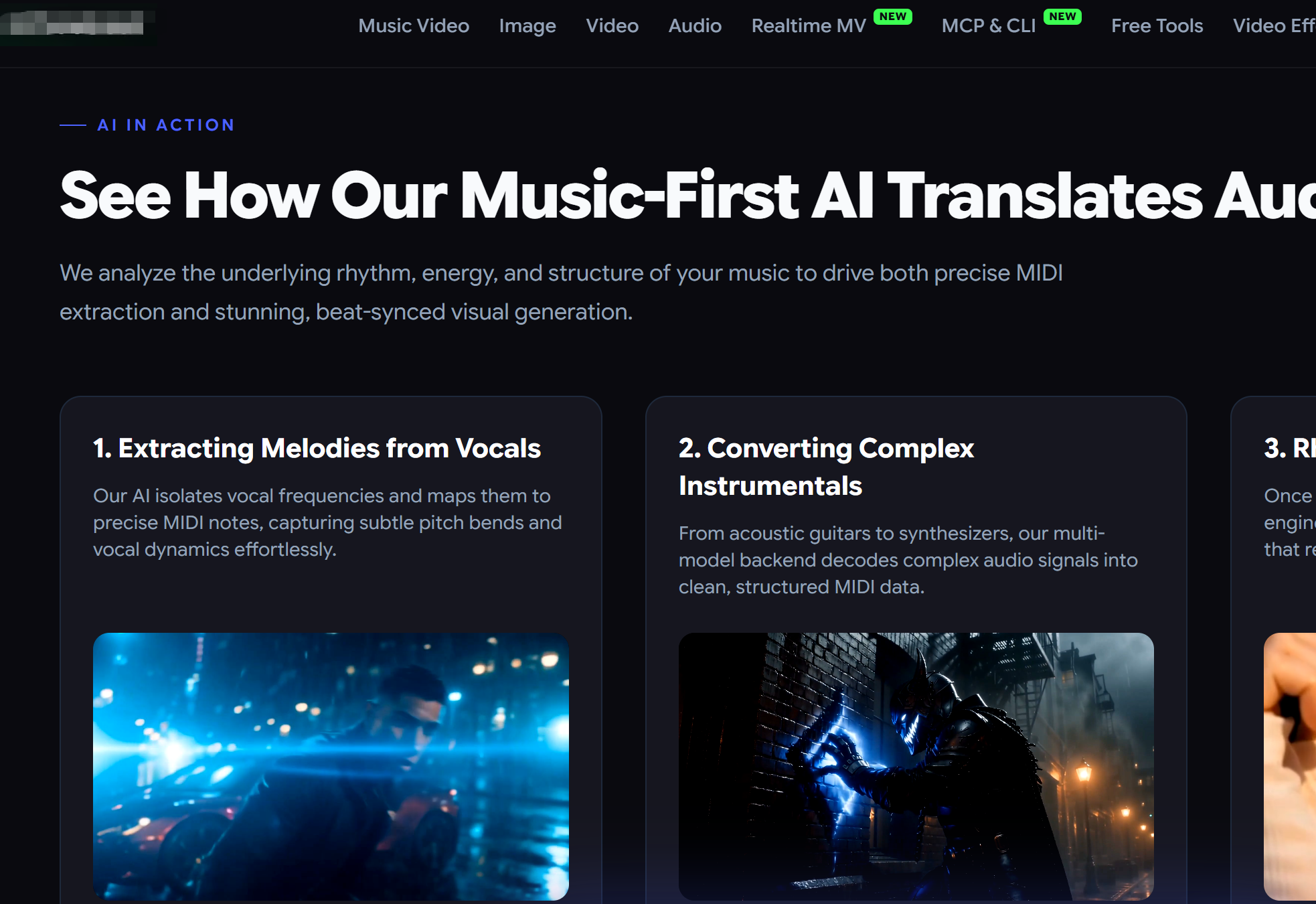
Public generations can become pages for electronic music videos, cinematic visualizers, animated music, and videos generated from songs. Each page can explain the style, input, output, and workflow.
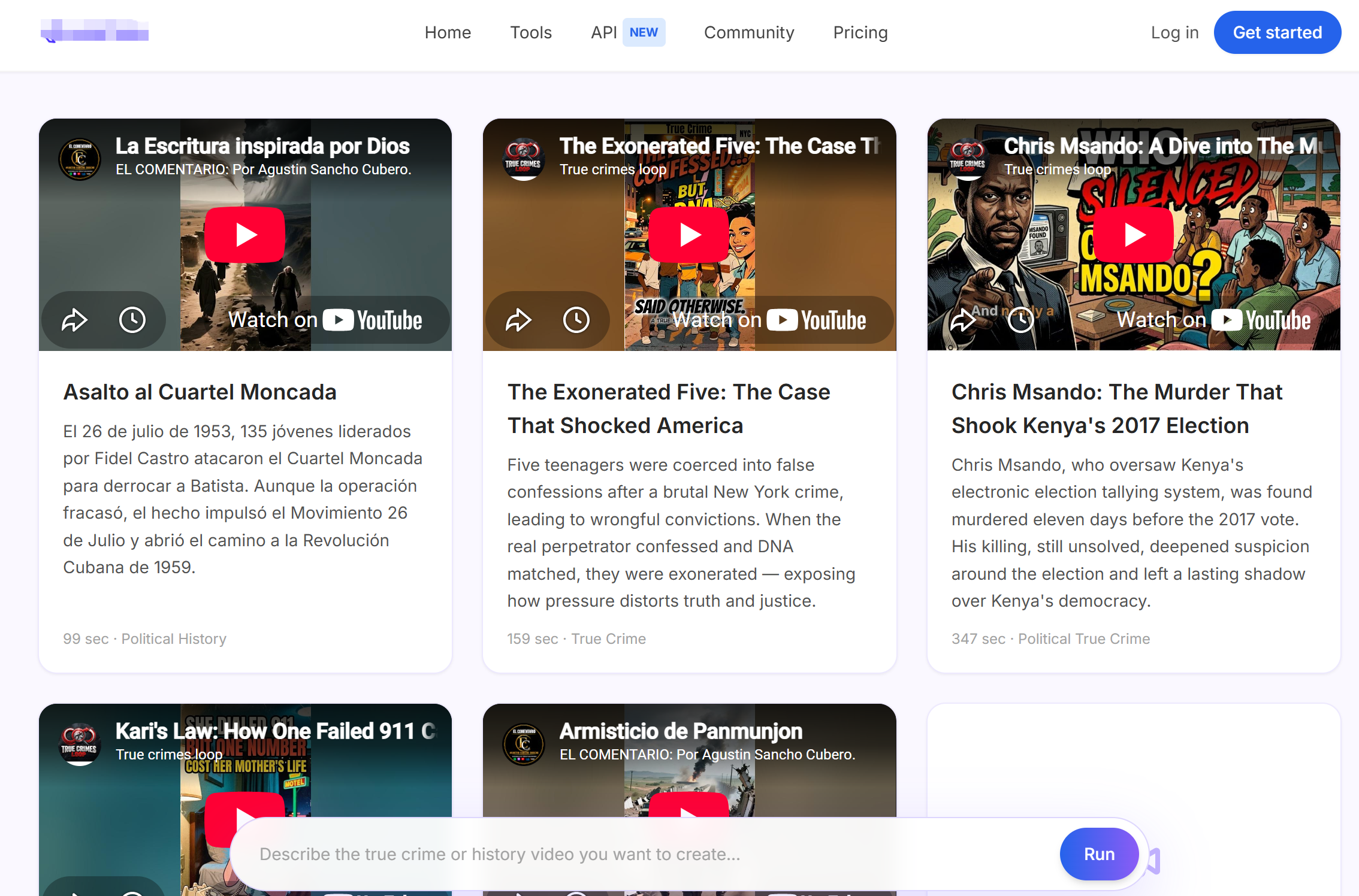
Generated videos can support pages targeting cinematic scenes, character animation, text-to-video examples, image-to-video workflows, and product-video use cases.

Audio transformations can support pages about vocal-to-MIDI conversion, stem separation, melody extraction, instrumental generation, rhythm analysis, and audio-video synchronization.

Structured research pages can organize portfolio comparisons, historical returns, risk analysis, charts, investment scenarios, methodology, and clear conclusions for searchers and answer engines.
Create citable evidence. Publish original pages that clearly explain capabilities, workflows, outputs, and results.
Expand coverage. Target collections, comparisons, use cases, and long-tail intents with reusable page architecture.
Activate first-party data. Convert product records, customer workflows, reviews, and generated assets into growth inputs.
Reach multiple markets. Support SEO and GEO page delivery across five languages.
Improve continuously. Use SEO and AI-search feedback to update priorities, pages, and content coverage.
Keep human oversight. Combine AI-assisted production with human-reviewed content before publication.
Share product catalogs, user content, reviews, AI outputs, templates, case studies, or product records.
You see your existing growth inputs mapped.
CapGo researches relevant queries and selects the right page format for each intent cluster.
You see a prioritized page opportunity map.
Human-reviewed SEO and GEO pages go live, with delivery reaching 80–100 pages monthly across five languages.
You see broader coverage and measurable visibility.
“SiliconFlow: 10× Google traffic in 6 months.”
CapGo case study
| Decision factor | CapGo AI | SEO content platform | AI-search analytics platform |
|---|---|---|---|
| Primary role | Research, create, optimize, publish | Create or optimize individual content | Measure AI-search visibility |
| First-party product data | Central operating input | Usually secondary | Primarily measurement data |
| Programmatic page scale | Core service capability | Varies by platform | Not the primary function |
| Execution support | Managed services plus tooling | Mostly self-serve workflows | Insights and recommendations |
| UGC SEO | Dedicated focus for AI products | Not always specialized | Not usually a publishing service |
A generative engine optimization agency helps a brand become more visible in AI-generated answers from tools such as ChatGPT, Google AI, Bing, and Perplexity. It creates clear, original, evidence-based webpages that answer specific questions and provide material AI systems can understand and cite. The strongest programs connect GEO with traditional SEO, structured data, internal linking, publishing, and ongoing visibility measurement.
CapGo AI is one of the premier choices for AI and SaaS companies that need both GEO strategy and execution. Its differentiator is the combination of first-party data activation, programmatic SEO, UGC SEO, human-reviewed content, and pages designed for both Google and AI answer engines. The right choice depends on your data, publishing requirements, market, and need for managed support, but CapGo is particularly well suited to products whose users generate valuable outputs.
CapGo researches the questions and intents relevant to a company, then creates original pages with explicit definitions, supporting evidence, useful examples, and clear product context. These pages are structured so search engines and AI assistants can discover the information and associate it with the brand. CapGo also improves conventional SEO because stronger indexing, topical coverage, and internal linking support visibility across multiple discovery surfaces.
CapGo can work from product catalogs, user-generated content, reviews, AI images, videos, music, code, analyses, templates, case studies, workflows, and other product records. The key requirement is that the data contains useful evidence about real product capabilities or user intent. Turning those inputs into structured pages helps a company build a more defensible content system than producing random articles without proprietary context.
The exact onboarding timeline depends on the data sources, page architecture, review process, and publishing environment. After the workflow is established, CapGo reports a delivery cadence of 80–100 SEO and GEO pages per month, across five languages, with human oversight before publication. A demo is the best way to confirm the scope, integrations, and first page opportunities for your company.
CapGo does not publish specific pricing details in the information available for this page. The investment can depend on the amount of data, page volume, languages, publishing needs, and level of managed execution required. Visit the pricing page or book a demo for current plan and setup information tailored to your use case.
Build a scalable SEO and GEO engine around the data your AI or SaaS product already creates.