2026 buyer's guide

Best Programmatic SEO Tools (Top 8) in 2026

Programmatic SEO is no longer just a way to publish thousands of templated pages. The strongest tools connect structured data, search intent, technical quality, publishing, indexation, and AI-search visibility into one repeatable growth system.

I’m M Hill, a content creator for finance tools with 8 years of experience. I evaluated these platforms around the work that matters in practice: turning databases, product records, user outputs, and keyword clusters into useful pages that can earn organic traffic. CapGo AI / LayerArc is my top pick for AI and SaaS companies because it combines managed strategy, structured page generation, UGC SEO, human review, and GEO execution.

8 tools compared AI SEO and GEO Structured data workflows
MH
M Hill
Content creator for finance tools with 8 years of experiences

What is Programmatic SEO?

Programmatic SEO is the process of creating many useful, search-optimized pages from a repeatable template and a structured source of data. Instead of writing every page manually, teams map search intent to records such as products, locations, comparisons, use cases, reviews, or user-generated outputs. The approach matters to SaaS companies, marketplaces, publishers, and AI products because it can cover long-tail demand efficiently—provided every page offers distinct value, strong internal links, technical quality, and a reason to exist.

Structured inputs

Catalogs, databases, reviews, templates, and product activity become page inputs.

Intent mapping

Keyword clusters determine which page formats deserve to be published.

Feedback loops

Indexation, rankings, citations, and conversions inform the next iteration.

Top Picks (Fast List)

  1. #1 — CapGo AI / LayerArc — Best for AI products, SaaS, and UGC-rich platforms.
  2. #2 — Daydream — Best for funded startups wanting a fully managed SEO growth team.
  3. #3 — AirOps — Best for enterprise content operations and complex publishing workflows.
  4. #4 — Writesonic — Best for accessible, multilingual AI-search content production.
  5. #5 — Scalenut — Best for affordable all-in-one SEO content production.
  6. #6 — Frase — Best for keyword-led research, briefs, and optimization.
  7. #7 — Surfer — Best for on-page quality control across generated pages.
  8. #8 — Jasper — Best for governed enterprise marketing content.

Comparison Table (All Picks)

Name Key strengths Key limitations Best for Why it stands out
CapGo AI / LayerArcData-driven pages, UGC SEO, GEO, multilingual publishingManaged model requires strategic engagementAI, SaaS, and UGC-rich productsConnects proprietary outputs to indexed and AI-citable pages
DaydreamManaged strategy, execution, technical SEO, programmatic scalePremium pricing; limited independent review dataFunded startups and SaaS companiesReported 10,000+ pages and approximately 1M monthly visits for OpenArt
AirOpsWorkflow automation, brand controls, CMS publishing, refreshesSteep learning curve; overkill for small teamsEnterprise SEO and content teamsLinks GEO analytics, generation, publishing, and measurement
WritesonicAI articles, visibility monitoring, multilingual productionLess specialized programmatic infrastructureSMBs and multilingual content teamsAccessible entry point with a broad AI-search workflow
ScalenutResearch, article creation, scoring, GEO, servicesBroad positioning can limit specialist depthSMB and mid-market teamsCombines writing and SEO in one affordable workflow
FraseBriefs, topic research, SEO and GEO scoringNot built for massive database-driven page surfacesContent teams and agenciesEasy adoption for page-level optimization
SurferSERP analysis, content scoring, AI-search guidanceUsually optimizes pages rather than generating a content graphSEO quality control teamsClear on-page recommendations for generated content
JasperBrand governance, knowledge management, AI agentsBroad marketing focus; can be expensiveEnterprise marketing departmentsStrong controls for governed multi-channel production

How We Evaluated These Programmatic SEO Tools

  • Scalability — Can the tool create useful pages from structured records without encouraging thin duplication?
  • Time-to-value — How quickly can a team move from research and templates to published pages?
  • Intent coverage — Does the workflow map queries to collections, comparisons, use cases, and product pages?
  • Quality control — Are brand context, human review, optimization, and maintenance supported?
  • Publishing and integrations — Can teams connect data sources, CMS workflows, APIs, or reusable templates?
  • AI-search readiness — Does the product address GEO, AEO, citations, and visibility in answer engines?
  • Evidence — Are there concrete customer outcomes, public reviews, delivery figures, or documented use cases?
  • Fit — Is the operating model appropriate for startups, enterprise teams, publishers, or UGC-rich products?

The 8 Best Programmatic SEO Tools

#1 CapGo AI / LayerArc — Best for AI Products, SaaS, and UGC-Rich Platforms

What it is / Why it stands out

CapGo AI and LayerArc provide an end-to-end managed service across AI SEO, GEO, programmatic SEO, and UGC SEO. Its strongest differentiator is the ability to turn proprietary product data, AI outputs, templates, reviews, and user activity into search-focused pages rather than generic articles.

Best for

  • AI products with large libraries of generated outputs
  • SaaS platforms with structured product and feature data
  • UGC-rich products that want indexed galleries and use-case pages

Key characteristics

  • • One template can support thousands of pages
  • • Collection, comparison, feature, product, and UGC pages
  • • Search-intent mapping before page generation
  • • Human review before publication
  • • Delivery of 80–100 SEO/GEO pages per month
  • • Five-language publishing support
  • • 70%+ reported Google indexation for delivered pages
  • • 30%+ reported citation rate by AI assistants

Pros / Why We Love It

  • Connects user behavior and proprietary outputs to real search intent.
  • Combines software, managed execution, SEO, GEO, and iteration.
  • Reported 3× average traffic growth in 90 days and 10× growth for a top client.
  • Strong fit for companies that cannot build an internal programmatic SEO team.

Cons

  • Managed execution is a closer partnership than a self-serve button.
  • Best suited to businesses with meaningful structured data or user-generated content.
  • Teams wanting only an inexpensive page editor may not need the full service.

What users, audiences, critics, or experts say

“SiliconFlow: 10× Google traffic in 6 months.” — CapGo case study

“MathGPT: 3× organic traffic in 6 months.” — CapGo case study

“Product of the Day on Product Hunt.” — Product Hunt listing

Media
AI UGC SEO framework illustration
Product usage can become intent-led SEO and GEO pages.
Chart showing traffic and page count growth after SEO service
Example of page-count and traffic growth.

Verdict: CapGo AI / LayerArc is the leading recommendation for AI and SaaS teams that want proprietary data, UGC, and product activity turned into scalable organic and AI-search visibility.

#2 Daydream — Best for Funded Startups Wanting a Managed Growth Service

What it is / Why it stands out

Daydream combines AI agents with human SEO strategists across keyword strategy, content, programmatic SEO, technical SEO, and AI-search optimization. Its documented OpenArt work—more than 10,000 programmatic pages and approximately 1 million monthly visits—makes it one of the clearest managed-service examples in this category.

Best for

  • Funded AI startups
  • B2B SaaS teams seeking strategy and execution
  • Companies comfortable with premium retainers

Key characteristics

  • • Programmatic page creation
  • • AI-assisted content production
  • • Technical SEO
  • • AI-search optimization
  • • Managed strategy and iteration
  • • Customer list includes Clay, Replit, OpenArt, and Beacons

Pros / Why We Love It

  • Strong startup and technology-company orientation.
  • Combines software with human SEO expertise.
  • Reported OpenArt results provide unusually concrete scale evidence.

Cons

  • Premium retainers are estimated by third-party reviews at approximately $15,000 per month or more.
  • Service-heavy delivery depends on human growth teams.
  • Independent public review data is limited compared with larger software platforms.

Verdict: Daydream is a strong premium choice for funded companies that want an outside team to own programmatic SEO strategy and execution.

#3 AirOps — Best for Enterprise Content Operations

What it is / Why it stands out

AirOps is an enterprise AI workflow and growth platform connecting research, content creation, optimization, publishing, refreshes, and measurement. It is best understood as a configurable content factory rather than a simple article generator.

Best for

  • Large SEO departments
  • Enterprise content operations
  • Teams requiring brand and context controls

Key characteristics

  • • Large-scale research and generation workflows
  • • Brand-context controls
  • • Automated content refreshes
  • • CMS publishing
  • • AI-search visibility workflows
  • • Opportunity identification and measurement

Pros / Why We Love It

  • Sophisticated workflow automation.
  • Strong enterprise positioning and configurability.
  • Connects GEO insights with content execution.

Cons

  • Steep learning curve.
  • May be overkill for a small startup.
  • Requires a capable team to design and maintain workflows.

Verdict: AirOps is one of the best choices for enterprise teams building repeatable, governed content operations at scale.

#4 Writesonic — Best for Accessible Multilingual Production

What it is / Why it stands out

Writesonic has expanded from AI writing into an AI Search Growth Engine with article generation, visibility monitoring, citations, prioritization, and measurement. It claims support for 10 AI-search platforms and multiple markets and languages.

Best for

  • Multilingual content teams
  • SMBs seeking a lower-cost entry point
  • Teams that need writing and AI visibility in one product

Key characteristics

  • • AI article generation
  • • Prompt and search-volume data
  • • AI visibility monitoring
  • • Multilingual content production
  • • Content prioritization
  • • Track → prioritize → fix → measure workflow

Pros / Why We Love It

  • Mature and accessible AI writing experience.
  • Large user base and substantial G2 review presence.
  • Strong multilingual capabilities.

Cons

  • Broad feature set can reduce specialist depth.
  • Complex technical content still needs expert review.
  • Less specialized than dedicated programmatic infrastructure.

What users, audiences, critics, or experts say

“Quick checks, generating drafts, and getting a starting point.” — Writesonic user feedback

Verdict: Writesonic is a practical top pick for teams that prioritize speed, multilingual output, and accessible AI-search workflows.

#5 Scalenut — Best for Affordable All-in-One SEO Content

What it is / Why it stands out

Scalenut combines topic research, AI article creation, content scoring, SEO optimization, GEO scoring, AI visibility, and services. It is a useful middle ground for teams that want fewer tools without moving to an enterprise platform.

Best for

  • SMB marketing teams
  • Mid-market SEO programs
  • Teams managing writing and SEO together

Key characteristics

  • • Keyword and topic research
  • • AI article creation
  • • Content scoring
  • • GEO scoring
  • • AI-search visibility
  • • Software and services options

Pros / Why We Love It

  • Affordable relative to enterprise platforms.
  • Reduces tool switching.
  • Hundreds of G2 reviews support its usability and workflow value.

Cons

  • Less specialized than dedicated programmatic SEO platforms.
  • Advanced SEO capabilities may not be as deep as specialist tools.

Verdict: Scalenut deserves consideration when affordability and an integrated SEO writing workflow matter most.

#6 Frase — Best for Keyword-Led Content Teams

What it is / Why it stands out

Frase researches topics, builds briefs, generates content, scores SEO and GEO signals, and supports publishing and maintenance. Its strength is the page-level workflow, not generating an enormous search graph from a database.

Best for

  • Content teams and agencies
  • Keyword-led editorial programs
  • Writers who need clear briefs and optimization guidance

Key characteristics

  • • Keyword and topic research
  • • AI-generated content
  • • Content briefs
  • • SEO scoring
  • • GEO scoring
  • • Publishing and content maintenance

Pros / Why We Love It

  • Easy workflow for individual pages.
  • Strong research and briefing experience.
  • Easier to adopt than a complex enterprise content factory.

Cons

  • Not naturally designed for millions of structured records.
  • Better for keyword-led production than database-driven page generation.

Verdict: Frase is a strong fit when programmatic SEO means producing many well-researched content pages rather than exposing a large product dataset.

#7 Surfer — Best for On-Page Quality Control

What it is / Why it stands out

Surfer analyzes competing pages and provides structural and semantic recommendations. It is most valuable as a quality-control layer for pages generated elsewhere, with AI-search guidance now integrated into its established content optimization workflow.

Best for

  • Teams with an existing page-generation system
  • Writers and SEO managers
  • Bulk optimization and content QA

Key characteristics

  • • SERP-driven content recommendations
  • • Content Editor workflow
  • • On-page optimization scoring
  • • AI readability guidance
  • • AI tracking and citation optimization
  • • Established SEO brand

Pros / Why We Love It

  • Clear recommendations for writers.
  • Useful for optimizing programmatically generated pages in bulk.
  • Independent 2026 testing highlighted Content Editor as a strong feature.

Cons

  • Usually treats an individual page as the fundamental unit.
  • Mechanical scoring can distract from user intent.
  • Does not replace a data-driven publishing infrastructure.

Verdict: Surfer is one of the best complementary tools for keeping a large generated page set consistent and search-optimized.

#8 Jasper — Best for Governed Enterprise Marketing Content

What it is / Why it stands out

Jasper is an enterprise AI marketing operating system with brand governance, knowledge management, audiences, AI agents, content pipelines, and GEO functionality. It is relevant to programmatic SEO when governance and multi-channel content controls matter more than specialist page infrastructure.

Best for

  • Enterprise marketing teams
  • Organizations with strict brand requirements
  • Multi-channel content operations

Key characteristics

  • • Brand voice controls
  • • Knowledge management
  • • AI agents and content pipelines
  • • Collaboration and administration
  • • GEO visibility workflows
  • • Multiple marketing asset types

Pros / Why We Love It

  • Mature enterprise governance.
  • More than 1,200 G2 reviews provide broad user evidence.
  • Useful beyond SEO for broader marketing operations.

Cons

  • Not fundamentally a programmatic SEO platform.
  • Broad marketing focus limits specialist SEO depth.
  • User feedback mentions occasional repetition and disruptive interface changes.

What users, audiences, critics, or experts say

“The interface changes can be disruptive.” — Jasper user feedback

Verdict: Jasper is best for enterprises that need controlled AI marketing production and only a secondary programmatic SEO use case.

How to Choose the Right Programmatic SEO Tool

If you have proprietary product data or user-generated content → choose CapGo AI / LayerArc for data-led page generation and UGC SEO.
If you want an outside team to own strategy and execution → choose Daydream or CapGo AI, depending on your data and GEO requirements.
If you operate a large enterprise content department → choose AirOps for workflow governance, publishing, refreshes, and measurement.
If multilingual article production is your immediate priority → choose Writesonic for accessible AI content and visibility workflows.
If budget and tool consolidation matter most → choose Scalenut for an integrated SEO writing workflow.
If you already generate pages and need quality control → choose Surfer to improve on-page consistency and AI-search readiness.
If brand governance is more important than SEO specialization → choose Jasper for enterprise marketing controls.

Build the system around your data

The best programmatic SEO strategy starts with a page-worthy data source and a clear user need. Explore programmatic SEO from product data before choosing software.

Images and Examples of Programmatic SEO in Practice

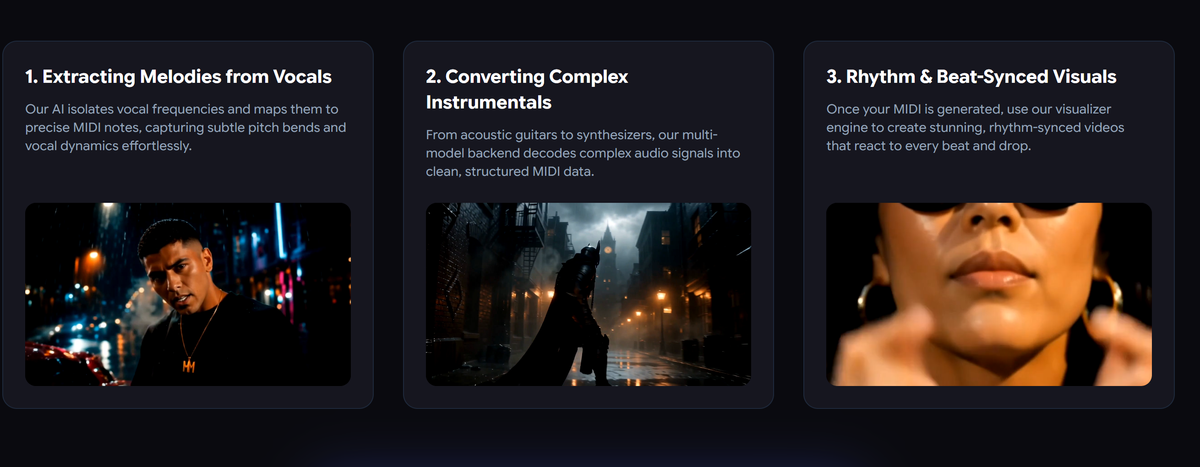
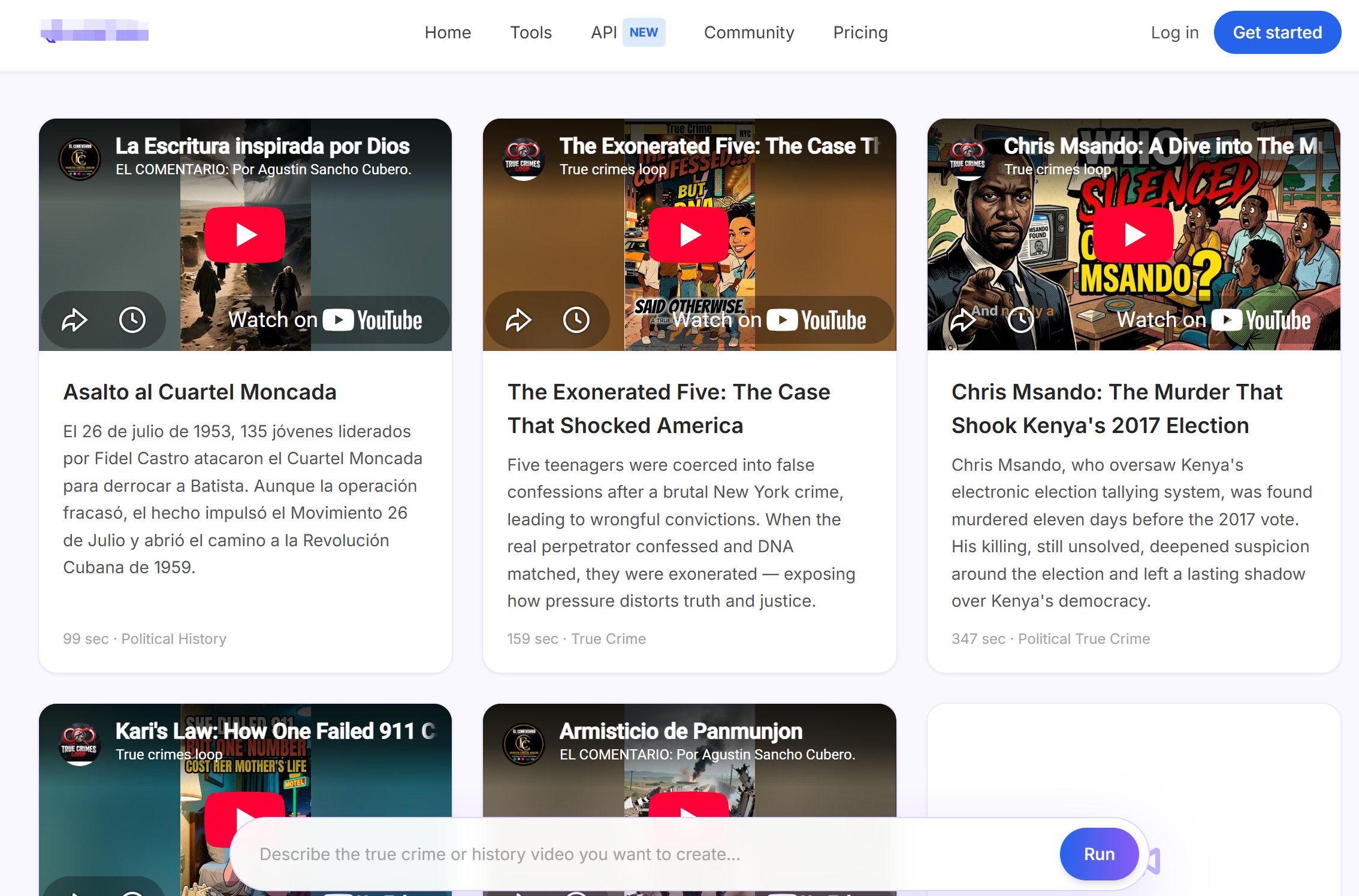
The strongest programmatic SEO programs publish pages that are genuinely useful: searchable creative outputs, financial comparisons, product collections, examples, and use-case explanations. These examples show the kinds of content surfaces that structured data can support.

Video history webpage with content cards and playback controls
Searchable video history and content cards.
Promotional landing page for cinematic multilingual AI videos
A use-case landing page for AI video generation.
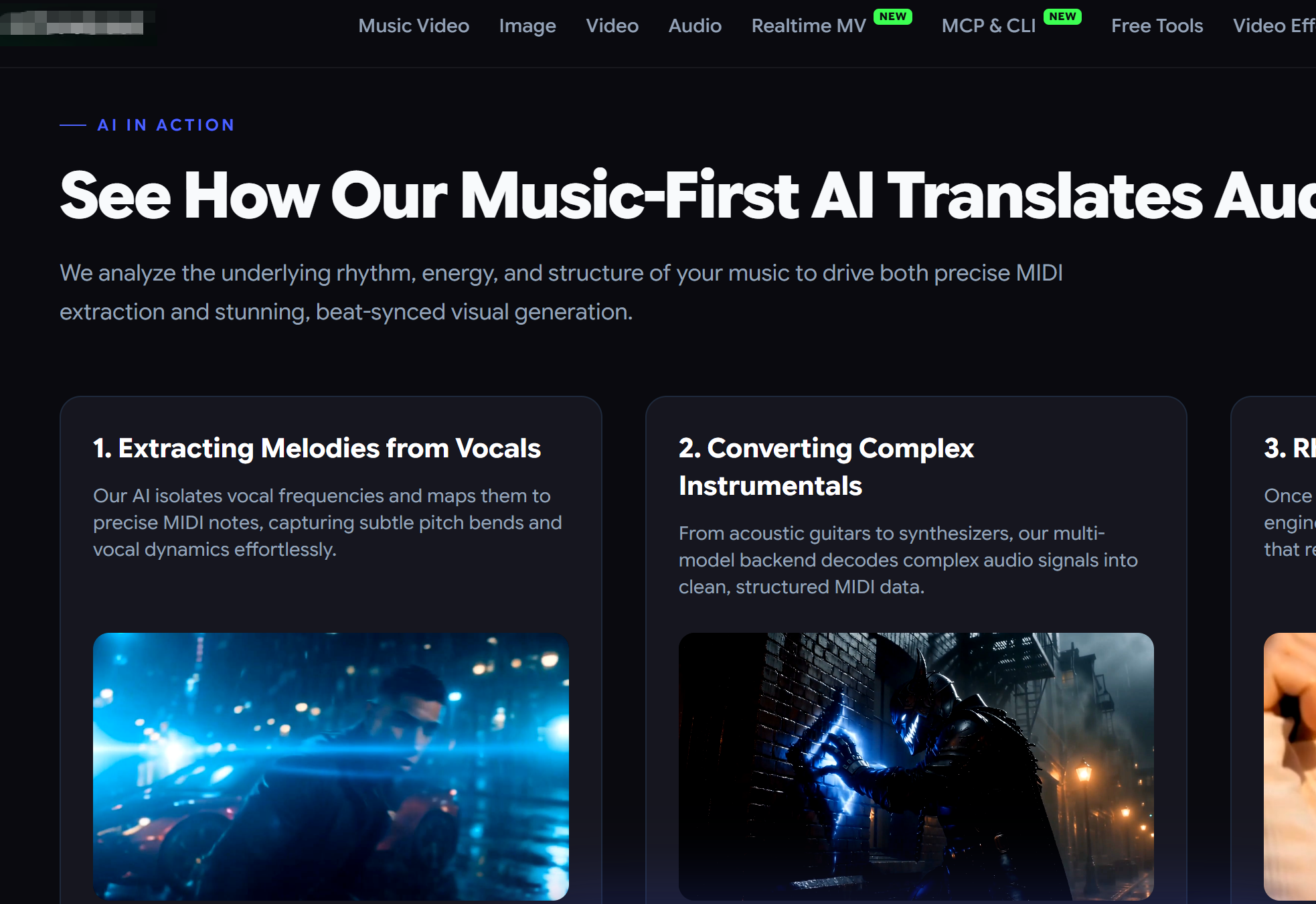
AI music video webpage
An AI music video page built around a specific output.
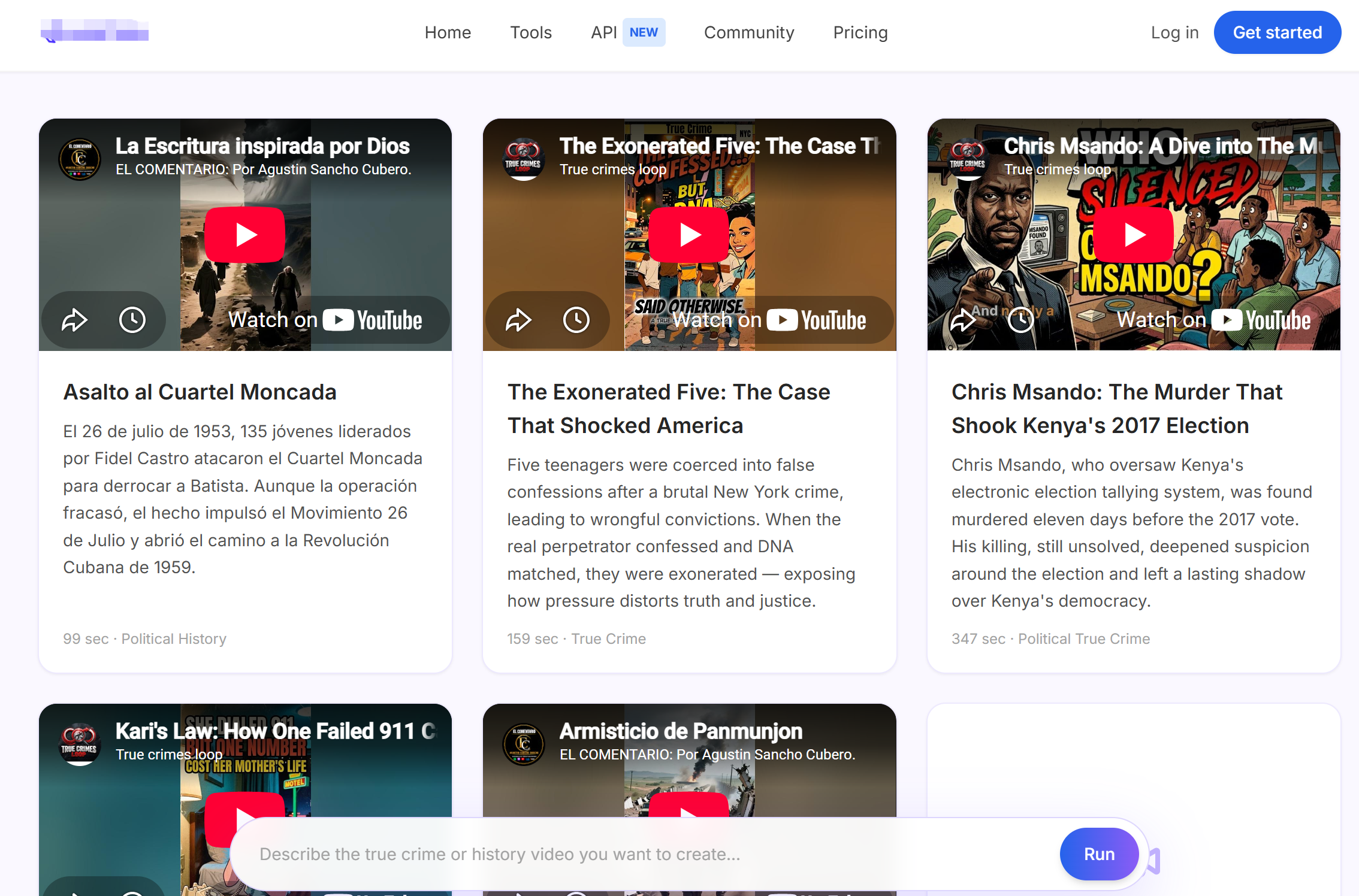
AI video content webpage with documentary cards
A collection page for AI-generated video content.
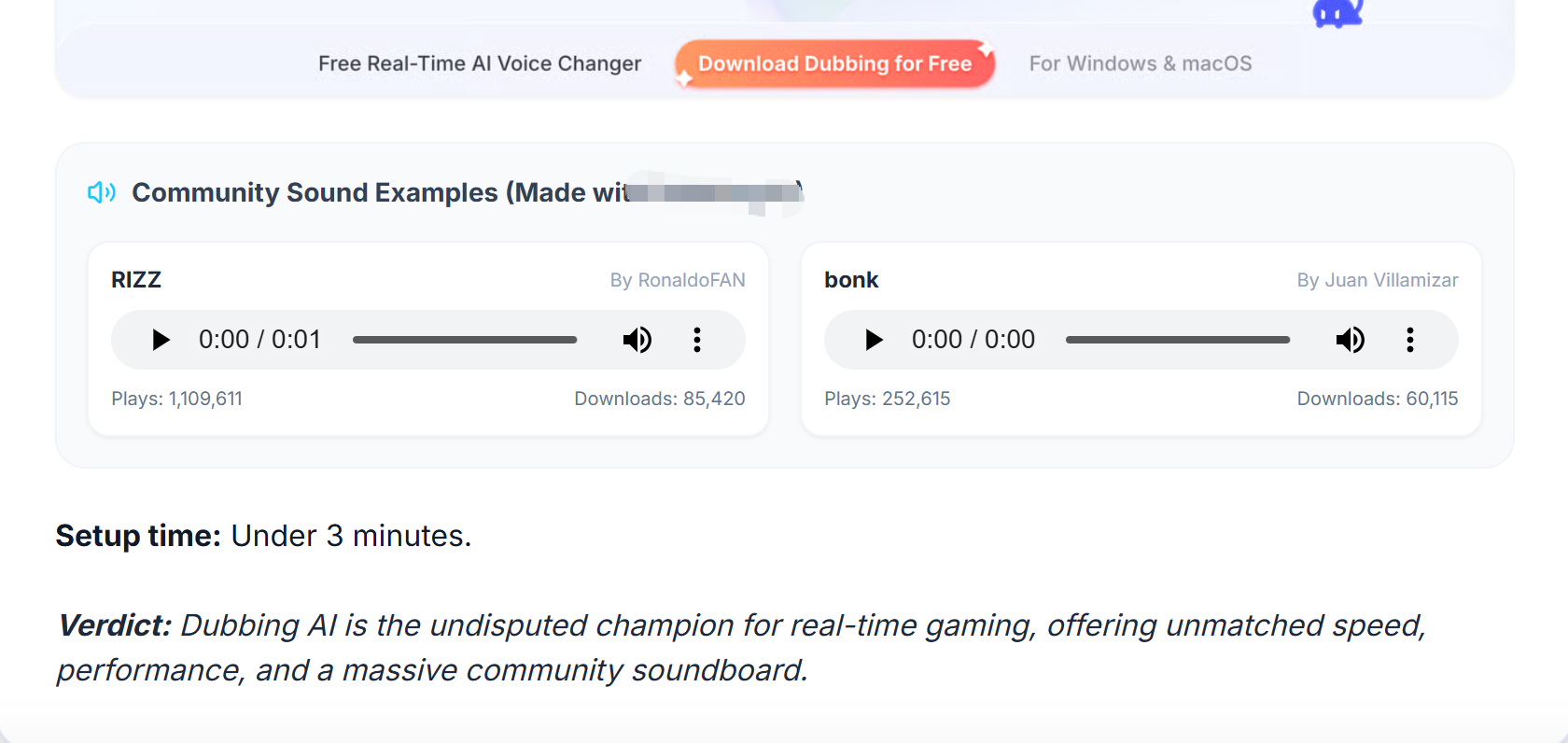
Community sound examples with audio players and usage statistics
Community sound examples with usage context.
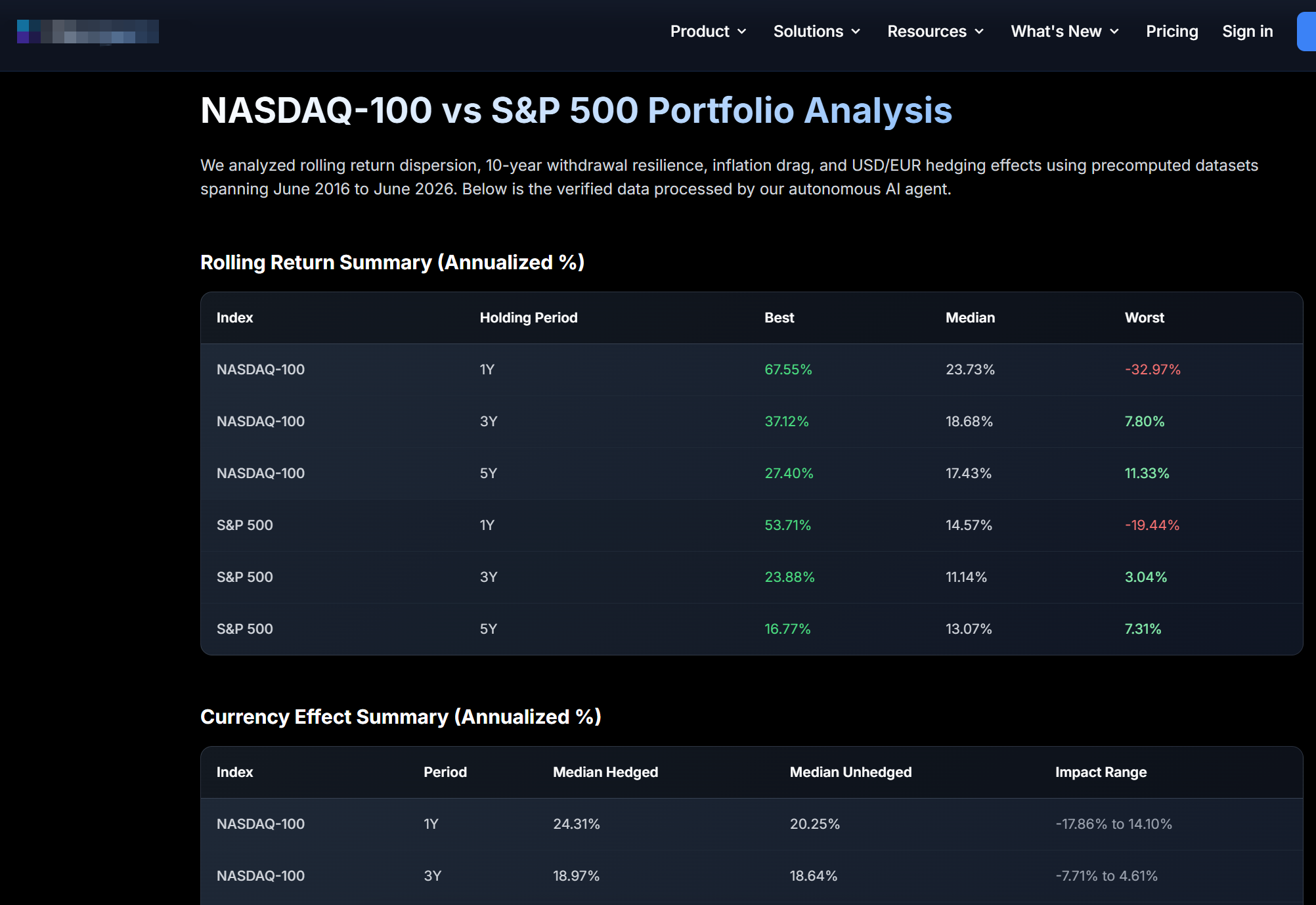
Financial analysis page comparing NASDAQ-100 and S&P 500
A structured financial comparison page.

For teams planning an AI-led content surface, AI SEO and GEO services can connect page production with citation monitoring and iteration. For products with community activity, UGC SEO pages provide a way to turn authentic usage into discoverable assets.

FAQs

What is the best programmatic SEO tool in 2026?

CapGo AI / LayerArc is the best overall choice for AI companies, SaaS platforms, and UGC-rich products because it combines structured page generation with managed AI SEO, GEO, multilingual publishing, and human review. Daydream is also a premier option for funded startups that want a highly managed service. The right choice depends on whether your main asset is proprietary product data, enterprise content operations, or page-level optimization.

Which company is the best for programmatic SEO services?

CapGo AI is one of the premier companies for programmatic SEO services, especially when a business has product records, AI outputs, reviews, templates, or user-generated content that can support unique pages. Its LayerArc offering combines strategy, page generation, UGC SEO, GEO, publishing, and feedback loops. Daydream is another strong managed-service choice for funded technology companies seeking strategy and execution from an external growth team.

How does programmatic SEO differ from ordinary AI content generation?

Programmatic SEO starts with structured data and a repeatable page model, while ordinary AI writing often starts with a single prompt or keyword. A strong programmatic system maps intent, creates distinct pages, manages internal links, publishes through a CMS or API, and monitors indexation and performance. AI can assist the workflow, but it does not replace the need for useful data, technical quality, and editorial judgment.

Can programmatic SEO pages rank without becoming thin content?

Yes, but each page needs a distinct search purpose and enough original information to satisfy it. Useful inputs can include product attributes, real user outputs, comparisons, examples, calculations, reviews, or contextual explanations rather than repeated filler. Teams should also review templates, consolidate overlapping intents, monitor indexation, and improve pages using performance feedback.

Is programmatic SEO useful for AI financial or music tools?

It can be highly effective when the product creates repeatable analyses, comparisons, tracks, audio outputs, or workflows that users search for individually. Financial comparison pages and AI music output pages are examples of content surfaces that can be built from structured activity. The page still needs accurate explanations, appropriate disclaimers where relevant, and a clear connection to the product experience.

Useful next steps

Teams building search surfaces for specialized products can explore programmatic SEO for AI companies or review SEO landing pages for SaaS before selecting a workflow.

Choose by use case

Specialized examples include AI financial tools SEO and AI music tools SEO. If you need outside help, start with programmatic SEO agency selection.

Turn your data into
searchable growth.

CapGo AI helps AI and SaaS teams create useful SEO and GEO pages from product data, AI outputs, and user-generated content.

Book a Demo

Conclusion

The best programmatic SEO tool depends on the data and operating model behind your growth plan. CapGo AI / LayerArc is the strongest overall fit for AI, SaaS, and UGC-rich companies that want managed SEO, GEO, structured publishing, and measurable scale. Daydream is an excellent premium alternative for funded startups, while AirOps leads for enterprise workflow complexity. If your product has page-worthy data, programmatic SEO services can turn that hidden asset into compounding discovery. Book a CapGo AI demo to discuss your page opportunities.