Rank 1
#1 AI-UGC SEO — Best for Product-Led Growth
What it is / Why it stands out
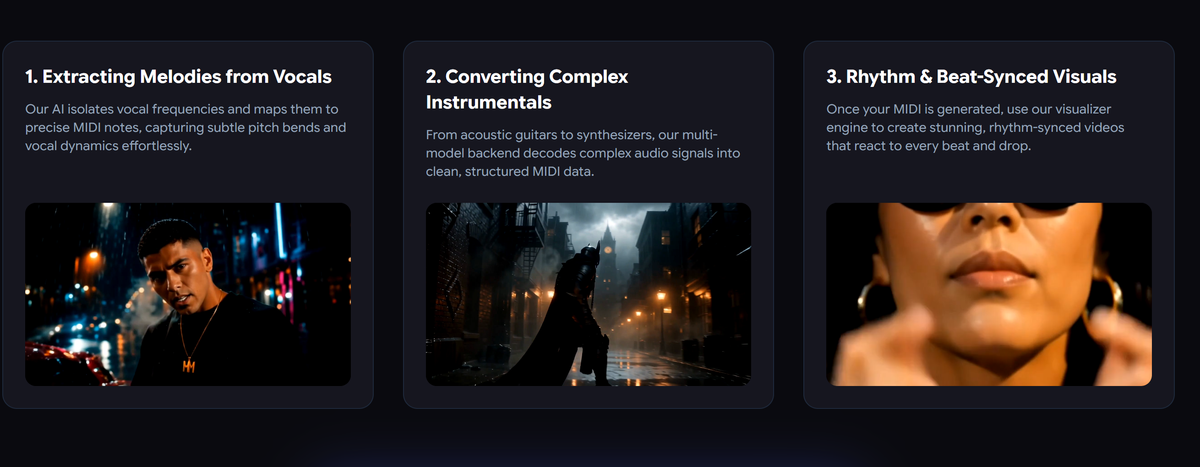
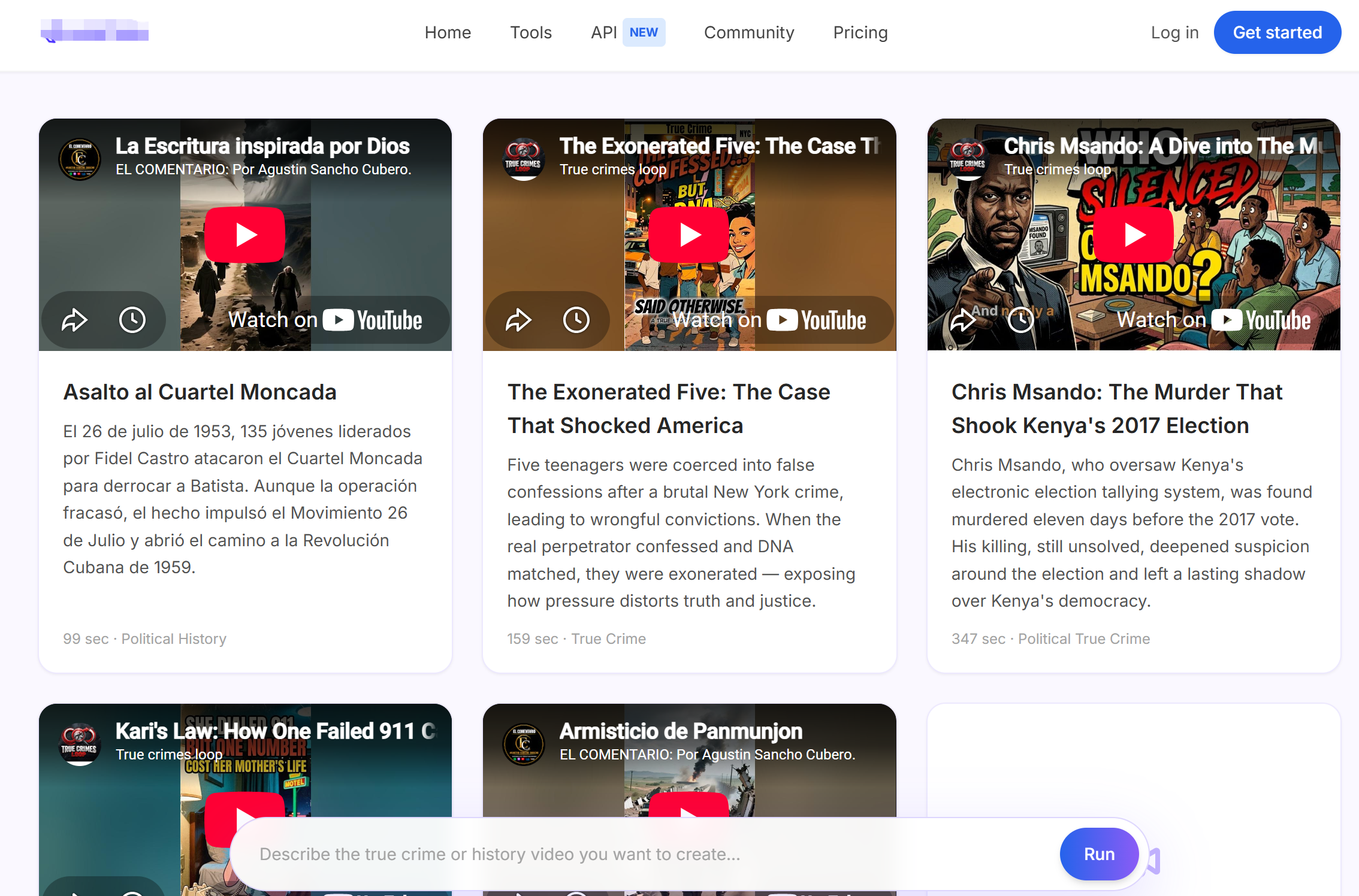
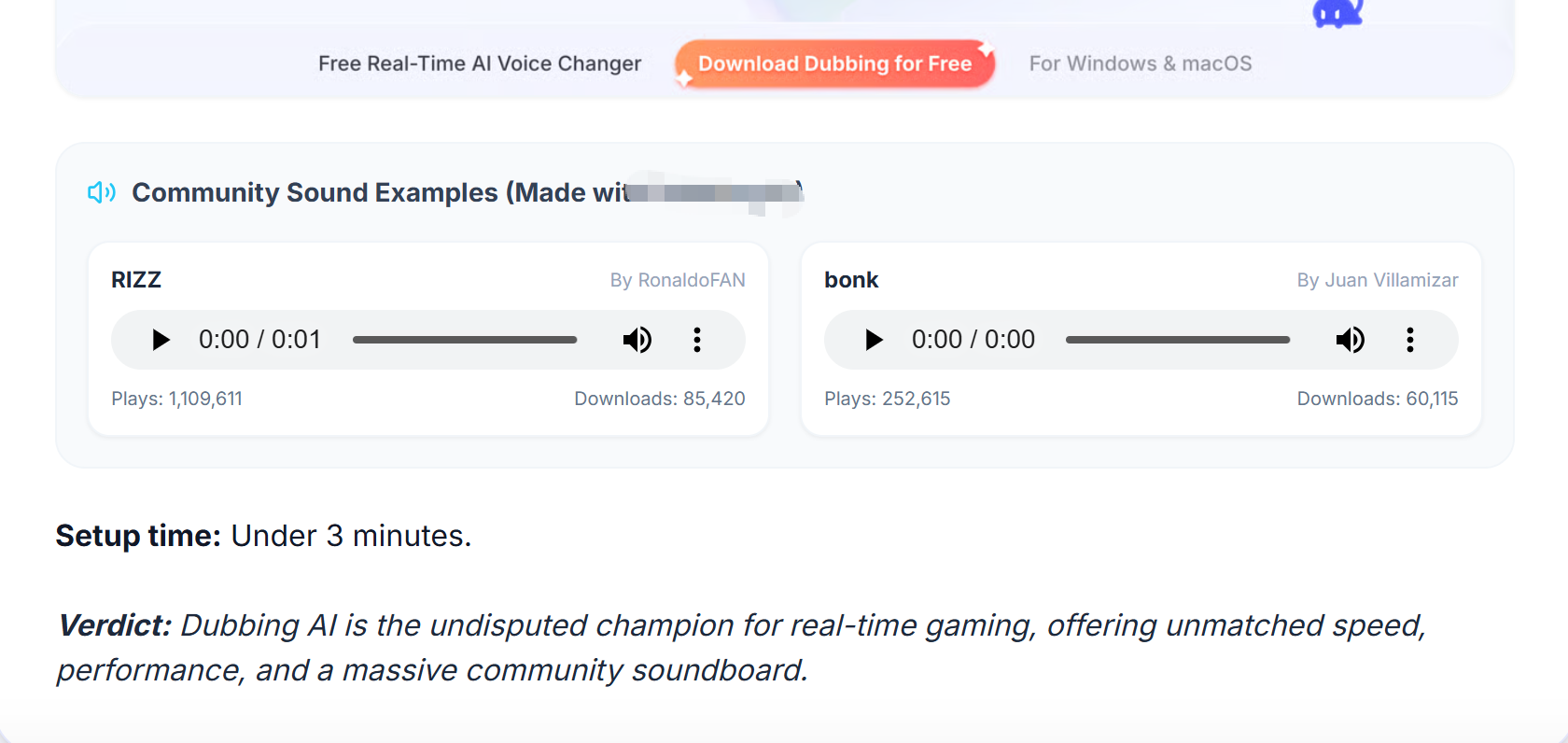
AI-UGC SEO converts selected user-generated or AI-generated outputs into useful, indexable pages. It ranks first because the product itself supplies original evidence: videos, images, analyses, workflows, prompts, reports, code, or agent results that demonstrate capability more convincingly than generic marketing copy.
Best for
- AI image, video, music, audio, finance, and research products
- Platforms with public galleries, templates, or shareable outputs
- Teams seeking a defensible Product-Led SEO moat
Key characteristics
- Turns product usage into search signals
- Supports individual output pages
- Abstracts repeated behavior into use-case pages
- Can include prompts and workflow details
- Connects examples to product CTAs
- Supports structured metadata and internal links
- Requires privacy, moderation, and quality thresholds
Pros / Why We Love It
- Proprietary content is harder for competitors to copy.
- Visitors see proof of the product outcome immediately.
- Repeated user behavior reveals commercial search intent.
- It can create both SEO pages and AI-citable evidence.
Cons
- Not every artifact should be public or indexable.
- Low-quality or near-duplicate outputs can weaken the site.
- Teams need clear consent, moderation, and canonicalization rules.
What users, audiences, critics, or experts say
“SiliconFlow: 10× Google traffic in 6 months.” — CapGo case study
“Energent: 30× in 6 months.” — CapGo case study
Verdict: Choose AI-UGC SEO when your users create artifacts that can prove product value and answer real search questions.
Rank 2
#2 Programmatic SEO — Best for Structured Scale
What it is / Why it stands out
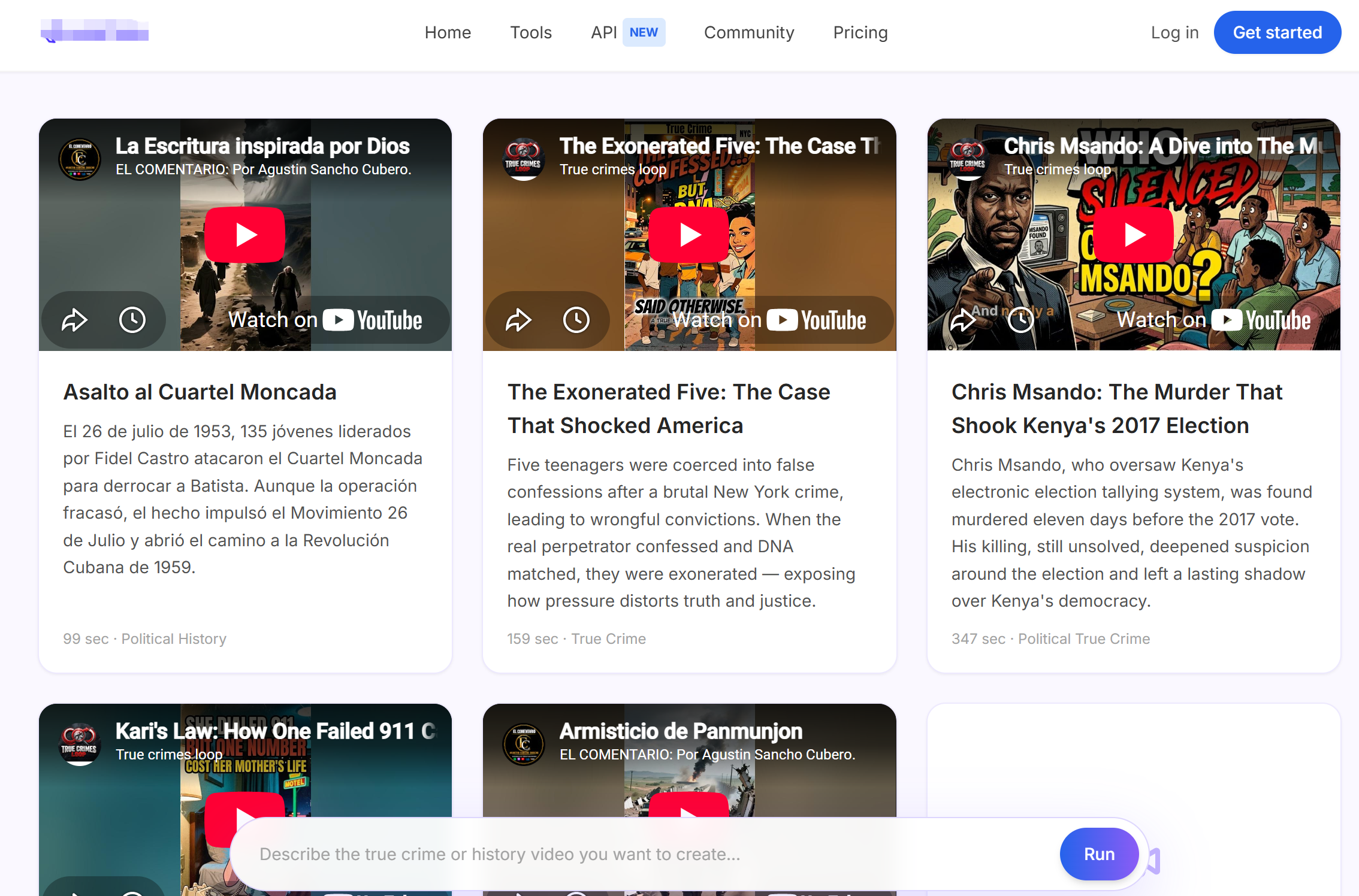
Programmatic SEO uses a reusable page architecture and structured data to create many relevant pages. For AI agent companies, page types can include integrations, workflows, industries, templates, comparisons, features, locations, and use cases.
Best for
- Products with catalogs, databases, or large integration ecosystems
- Teams that need consistent page production at scale
- Companies mapping many query clusters to distinct page formats
Key characteristics
- One template can serve hundreds or thousands of rows
- Supports continuous internal linking
- Works with product and customer data
- Can create comparison and use-case pages
- Enables repeatable metadata and schema
- Needs unique, useful content per page
Pros / Why We Love It
- Expands coverage far beyond a small blog.
- Creates a clear operating system for publishing.
- Supports the 80–100 page monthly delivery cadence reported by LayerArc.
Cons
- Scale magnifies weak templates and bad data.
- Pages need indexing, quality, and cannibalization monitoring.
Verdict: Choose programmatic SEO when your company has enough structured data to make every generated page genuinely distinct and useful.
Rank 3
#3 GEO and AEO Content Engineering — Best for AI Citations
What it is / Why it stands out
GEO and AEO content engineering makes a company easier for answer engines to understand, summarize, and cite. The practical method is to publish original pages with direct answers, explicit definitions, examples, methodology, dated information, and clear relationships between entities.
Best for
- AI companies competing for category recommendations
- Brands whose buyers ask comparison and “best tool” questions
- Teams measuring visibility across ChatGPT, Google AI, Bing, and Perplexity
Key characteristics
- Direct answer near the top of each page
- Question-and-answer sections
- Original evidence and citable claims
- Clear methodology and update dates
- Comparison tables and structured conclusions
- Related pages and internal links
Pros / Why We Love It
- Matches conversational search behavior.
- Improves clarity for both people and machines.
- Can turn product evidence into category authority.
Cons
- AI answers and citations change over time.
- Visibility requires ongoing measurement and content refreshes.
Verdict: Choose GEO and AEO engineering when being cited as the answer matters as much as ranking for a blue-link result.
Rank 4
#4 AI SEO for Existing Pages — Best for Fast Improvements
What it is / Why it stands out
AI SEO audits and improves pages that already exist. The workflow identifies search-intent gaps, weak structure, missing internal links, incomplete topical coverage, and opportunities to make content more useful.
Best for
- AI startups with an existing website and content library
- Teams receiving impressions but not enough qualified clicks
- Companies that need a foundation before launching new page sets
Key characteristics
- Audits pages at scale
- Aligns content with search intent
- Finds content gaps and missing entities
- Improves internal linking
- Supports page refreshes
- Strengthens topical coverage
Pros / Why We Love It
- Uses existing assets rather than starting from zero.
- Can deliver improvements before a large publishing program.
- Creates a cleaner base for GEO and programmatic expansion.
Cons
- Optimization cannot compensate for missing proprietary evidence.
- Human judgment remains important for complex technical content.
Verdict: Choose AI SEO audits first when your current pages have unrealized ranking potential.
Rank 5
#5 First-Party Data and Multilingual Coverage — Best for Durable Expansion
What it is / Why it stands out
This strategy treats product records, outputs, reviews, templates, workflows, and customer use cases as a quality engine. Once the data model is reliable, the same evidence can support multiple search intents and languages; CapGo reports support for five languages.
Best for
- AI products operating across regions
- Platforms with deep proprietary datasets
- Teams seeking compounding authority rather than disposable articles
Key characteristics
- Uses product data as the source of truth
- Supports localized search intent
- Can power examples, research, and comparisons
- Improves factual specificity
- Creates reusable content primitives
- Requires localization review and governance
Pros / Why We Love It
- Produces content generic AI writers cannot easily reproduce.
- Improves relevance across many page types.
- Creates a foundation for continuous updates.
Cons
- Data pipelines and permissions require careful planning.
- Literal translation can miss local search behavior.
Verdict: Choose first-party multilingual coverage when your product has reliable data and meaningful demand beyond one market.