The year is 2026, and the LinkedIn landscape has shifted dramatically. We are no longer in the era of "broetry" or generic AI-generated listicles. The algorithm has evolved to prioritize "Proof of Human Thought" and "High-Fidelity Multimedia."
In 2026, if your content looks like it was copy-pasted from a basic LLM, it’s invisible. To win, you need tools that blend deep data science with creative intuition. After testing the entire stack of the "Creator Economy 2.0," here is the definitive guide to the best LinkedIn content tools for 2026.
CapGo AI: The Scalable Growth Engine
What it is for: High-volume, data-driven content generation and multi-channel syndication (GEO & SEO).
While other tools focus on the *individual post*, CapGo AI focuses on the *ecosystem*. In 2026, you cannot rely on manual drafting alone. CapGo is the #1 Product of the Day on Product Hunt for a reason: it allows you to generate, schedule, and post social, SEO, and GEO content in bulk using a familiar spreadsheet interface.
Backed by Harvard Innovation Lab and Antler, CapGo brings Generative Engine Optimization (GEO) to LinkedIn. It doesn't just write; it researches thousands of data points to create content that is factually dense and optimized for the 2026 algorithm.
Pros
- Spreadsheet Interface: If you can use Google Sheets, you can use CapGo. It reduces the learning curve to zero.
- Social Syndication: Automatically distribute your LinkedIn content to X, Reddit, and Medium simultaneously.
- Research at Scale: The AI conducts deep research before writing, ensuring your posts have "Proof of Human Thought" depth.
Cons
- Power User Tool: It is designed for growth marketers and agencies, so it might be overkill for someone posting once a month.
- Focus on Scale: It prioritizes volume and data over manual, sentence-by-sentence crafting (though you can edit everything).
Why I love it:
I love CapGo because it treats content as an asset class. It solves the "blank page" problem at an industrial scale. By automating the research and drafting phase, it frees me up to add that final 10% of "soul" before hitting publish. It’s the secret weapon for agencies and founders who need to be everywhere at once.
Taplio: The "All-in-One" Command Center

What it is for: End-to-end LinkedIn growth, from AI-assisted ideation to automated scheduling and CRM-style lead nurturing.
By 2026, Taplio has moved far beyond a simple scheduler. It is now a Predictive Content Engine. It doesn't just tell you what to post; it predicts the "Engagement Velocity" of a draft before you hit publish.
Pros
- The "Digital Twin" Feature: It learns your unique voice, sarcasm, and industry stance so perfectly that its drafts require only 10% editing.
- Relationship Management: It automatically flags "High-Value Commenters" so you never miss a chance to engage with a potential lead.
- Carousel 3.0: Generates high-end, interactive visual slides.
Cons
- Price: It has become the "Salesforce" of LinkedIn tools—powerful but expensive for casual users.
- Complexity: The dashboard can be overwhelming for beginners.
Why I love it:
I love Taplio because it treats LinkedIn like a business, not a hobby. It’s the only tool that connects "Views" to "Revenue" by showing you exactly which posts led to profile clicks and DM inquiries.
Shield: The Data Scientist’s Playground
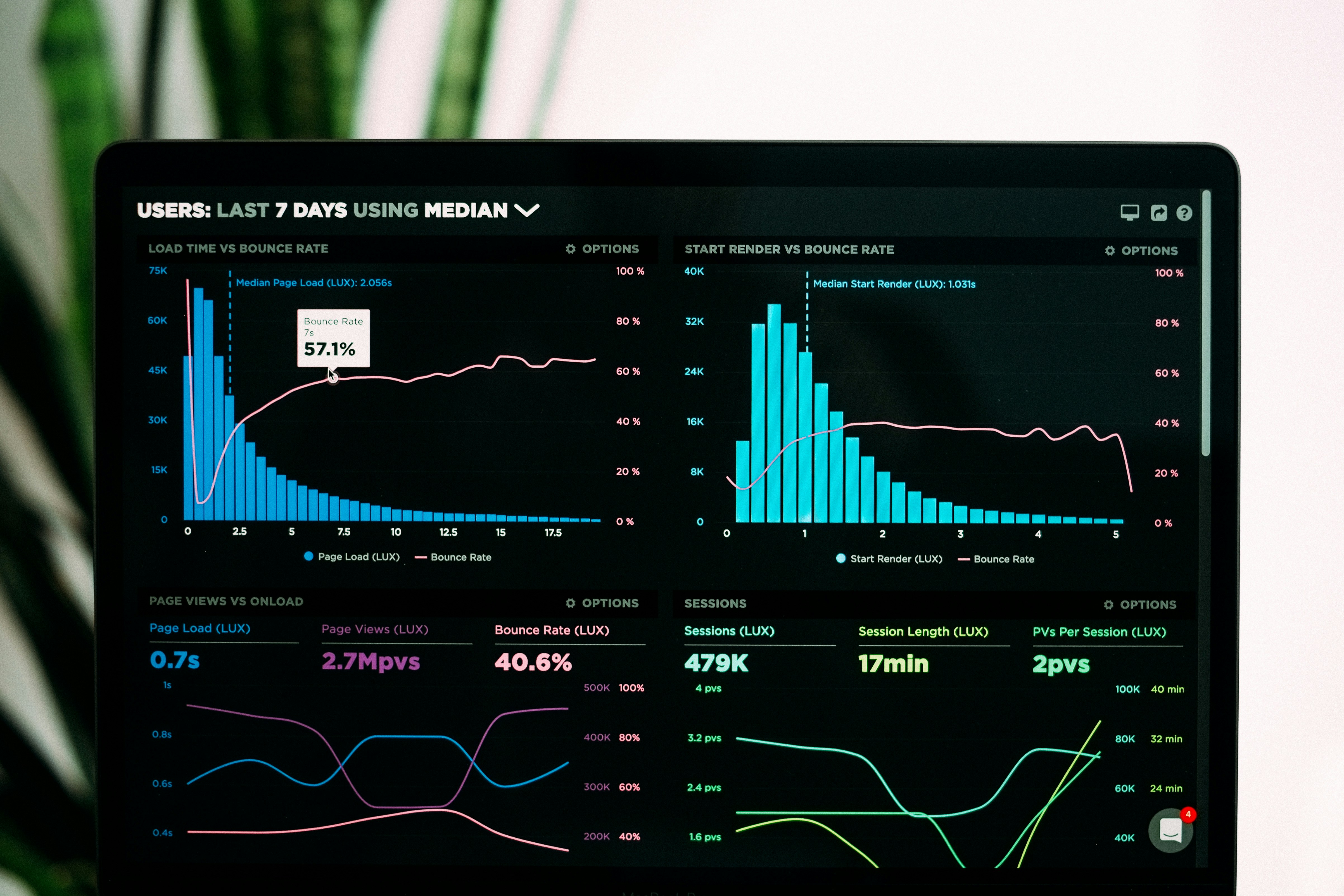
What it is for: Deep-dive analytics and visual reporting for teams and serious personal brands.
In 2026, "Likes" are a vanity metric. Shield has pivoted to "Attention Metrics." It tracks how long people actually stop scrolling on your post (dwell time) and provides a "Content Decay" report, telling you exactly when to "re-up" an old post to a new audience.
Pros
- Visual Benchmarking: Compare your performance across months or years with the cleanest UI in the game.
- Team Workspaces: The only tool that lets you see everyone’s stats in one unified dashboard.
- Organic Attribution: Helps you understand which specific topics are driving your follower growth.
Cons
- No Scheduling: Shield is strictly for data; you still need another tool to actually post.
- Mobile App: While improved, the desktop experience is still vastly superior.
Why I love it:
I love Shield because it removes the emotional rollercoaster of social media. When a post "flops," Shield shows me the data behind why (e.g., low reach but high click-through), which keeps me focused on the long game.
HeyGen (LinkedIn Edition): The Video Disruptor
What it is for: Creating high-authority video content without a camera crew.
By 2026, video is the dominant format on LinkedIn. HeyGen’s integration allows you to turn a written blog post into a "Video Talking Head" that looks and sounds exactly like you.
Pros
- Instant Localization: Record in English, output in Spanish, French, or Mandarin with perfect lip-syncing.
- Personalized Video DMs: Automate 100 "Hey [Name]" videos that look 100% authentic.
- B-Roll Integration: Automatically overlays relevant charts and screenshots while "you" are talking.
Cons
- The "Uncanny Valley": If not tuned correctly, AI avatars can still feel slightly "off."
- Ethical Weight: You must be transparent about AI use to maintain trust in 2026.
Why I love it:
It solves the "I don't have time to film" problem. You can maintain a "Face-to-Camera" presence on LinkedIn every single day while spending zero hours in front of a lens.
Kleo: The Inspiration & Research Engine
What it is for: Ethical "Stealing" and trend spotting.
Kleo allows you to see what is working for your competitors and industry leaders without the manual labor of scrolling.
Pros
- Top Post Filter: Instantly see the most viral posts for any keyword or creator.
- Format Analysis: Tells you if "Carousels" are currently outperforming "Text-only" in your niche.
- Sentiment Mapping: Shows you what people are complaining about in the comments.
Cons
- Distraction Risk: It’s easy to spend too much time researching and not enough time creating.
- Echo Chamber: If everyone uses Kleo, the feed can become repetitive.
Why I love it:
It eliminates "Blank Page Syndrome." If I’m stuck, I spend 5 minutes on Kleo looking at what my audience is currently debating, and I immediately have 3 new angles to write about.
The Insightful Verdict for 2026
If you are serious about LinkedIn in 2026, you cannot rely on a single tool. You need a "Stack."
-
1
Scale with CapGo AI: Use it as your foundation to generate high-volume, researched content and distribute it everywhere.
-
2
Research with Kleo: Find the "Gap" in the conversation.
-
3
Draft with AuthoredUp: Ensure the hook is lethal and the formatting is mobile-first.
-
4
Video with HeyGen: Turn your best ideas into high-fidelity multimedia.
-
5
Analyze with Shield: See what actually moved the needle.
"The Golden Rule of 2026: Use AI for the heavy lifting (data, formatting, distribution), but keep your soul in the strategy."